

“Sanctuary” is not a protected word in Thailand. Plenty of venues using it still offer riding, shows or bathing, and some rent elephants from trekking camps by the day. Choosing well takes about five minutes of checking — and it matters.
The three tests
1. No riding, ever
This is the clearest line. Elephants’ spines aren’t built to carry weight, and the training that makes riding possible is the part nobody shows visitors. Any venue offering rides fails immediately — including “bareback” rides.
2. No shows, painting or tricks
Painting, football, balancing — all of it requires the same coercive training. A genuine sanctuary has nothing scheduled for the elephants to perform.
3. Be sceptical about bathing
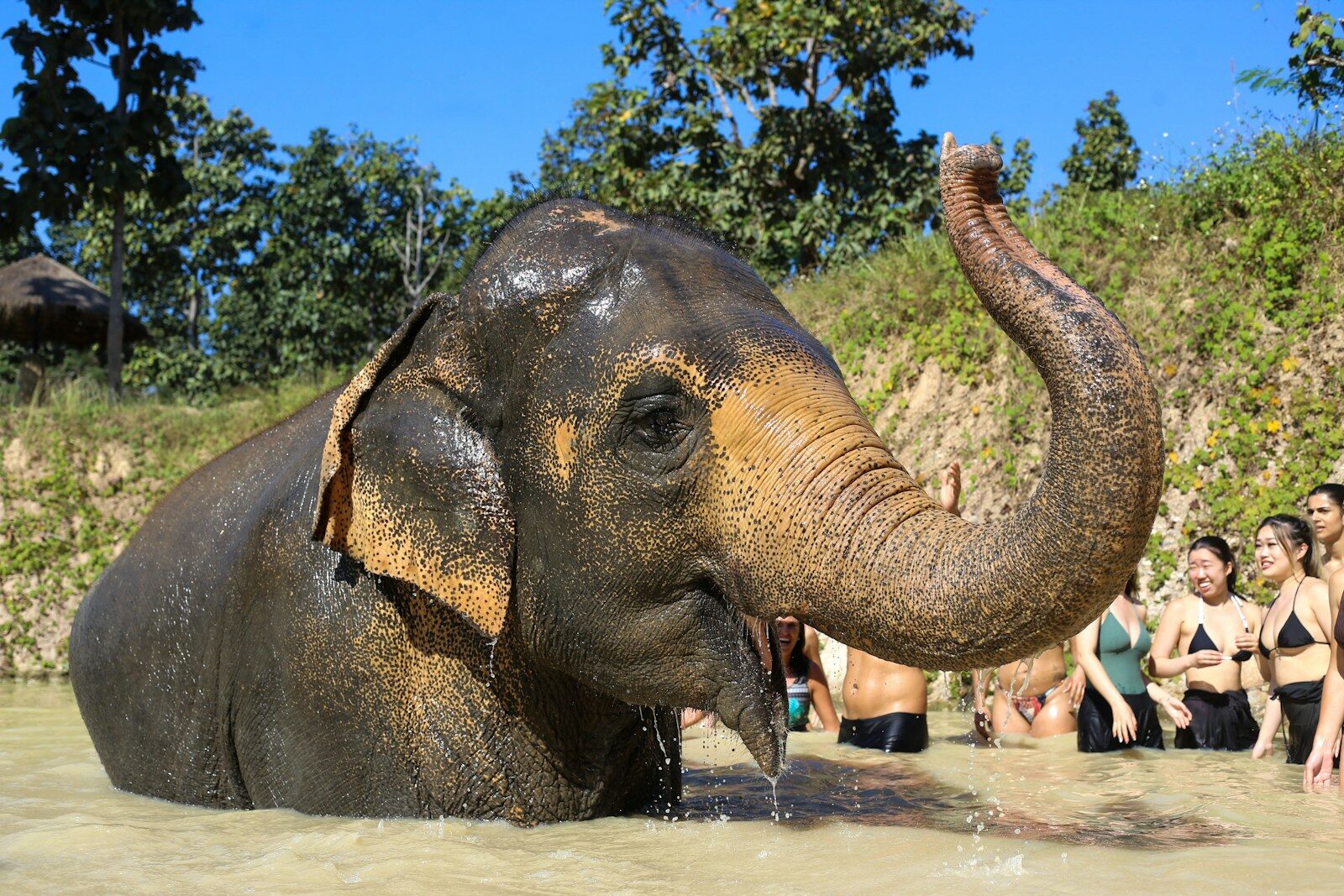
This one surprises people. Group bathing looks gentle, but it means elephants standing in water for hours through repeated visitor sessions, controlled by handlers with hooks just off-camera.
The better venues have moved to observation-only: you walk with the herd, help prepare food, and watch them bathe themselves. It’s a quieter day and a far better one.
Quick comparison
| Offered | Verdict |
|---|---|
| Riding (any kind) | Avoid |
| Shows, painting, tricks | Avoid |
| Chains during visits, bullhooks visible | Avoid |
| Group bathing sessions all day | Questionable |
| Feeding + walking with the herd | Good |
| Observation only, elephants roam freely | Best |
Questions worth asking
- Do you own these elephants, or rent them?
- How many visitors per elephant per day?
- Where do the elephants sleep, and are they chained?
- Can they choose to walk away from visitors?
Good venues answer these readily. Evasive answers tell you what you need to know.
What it costs
Expect 2,000–3,500 THB ($55–95) for a half or full day at a genuine sanctuary. Venues charging 800–1,200 THB are usually subsidising with riding or high visitor volume.
This is one of the few places in Thailand where the cheap option is cheap for reasons you wouldn’t accept if you saw them.
👉 Compare Chiang Mai elephant sanctuaries
Read the reviews properly
Filter for recent ones and look for photographs rather than descriptions. If visitor pictures show people sitting on elephants or elephants performing, the listing’s ethical language is marketing.
The short version
No riding, no shows, be wary of bathing, and expect to pay properly. A morning watching a herd behave like a herd is a better memory than a photo of yourself on one.
Planning Chiang Mai: luxury hotels in Chiang Mai. Full route: two weeks in Thailand.
This article contains affiliate links. If you book through them we may earn a small commission, at no extra cost to you. We don’t sell tours or own hotels.
Compare tours and tickets in Chiang Mai elephant sanctuary


Prices for the same room or ticket often differ between these. Some links may earn us a commission at no extra cost to you.
Frequently asked questions
How can I tell if a sanctuary is ethical?
Three tests: no riding of any kind, no shows or painting, and be sceptical of all-day group bathing. Observation-only venues are best.
Why is elephant bathing questionable?
It means elephants standing in water for hours through repeated visitor sessions, controlled by handlers. Better venues have moved to observation only.
How much should a genuine sanctuary cost?
About 2,000–3,500 THB ($55–95) for a half or full day. Venues charging 800–1,200 THB usually subsidise with riding or high visitor volume.
What should I ask before booking?
Whether they own or rent the elephants, how many visitors per elephant per day, and whether the animals are chained at night.
About the author
Born and raised in the Middle East, I’ve spent most of my adult life travelling — more than 40 countries so far. I write these guides the way I’d explain them to a friend: real prices, honest opinions, and a straight answer when the cheaper option is the better one. I don’t sell tours or own hotels, which is why I can tell you what the operators won’t.


Comments are closed