

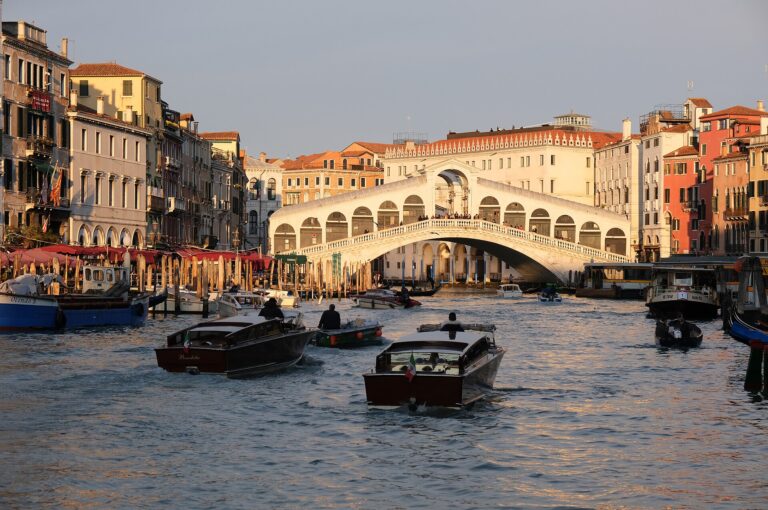
 Venice Access Fee 2027: Dates, Price & Who Has to Pay
Read guide →
Destination guide
Italy Travel Guide
Real prices, where to stay, and what is actually worth booking ahead in Italy.
- Best time
- May–June and September–October
- Currency
- Euro (EUR)
- Language
- Italian
- Plan for
- 7–10 days
VTourBook earns a commission when you book through our links, at no extra cost to you. We don’t sell tours or own hotels — which is why these guides tell you when the cheaper option is the better one.
Italy is the country people most often over-plan and under-budget. The mistakes are predictable: three cities in five days, a hire car booked for a trip that is almost entirely trains, a Positano hotel reserved before checking what the transfer from Naples actually costs. None of that is anyone’s fault. Italy is marketed as one destination when it behaves like six.
This guide is the overview. Each section links to a longer piece with the numbers behind it.
Start by picking a shape, not a list
Almost every good Italy trip is one of four shapes, and choosing early saves you more money than any booking trick.
- One city, properly. Rome or Florence for four or five nights. Cheapest per day, no transfers, and you actually see things twice.
- Two cities by train. Rome and Florence, or Florence and Venice. Fast trains make this genuinely easy.
- Coast. Amalfi or Cinque Terre. Slower, more expensive, and worth it if you want to sit still.
- Lakes or countryside. Como, Garda or rural Tuscany. The one shape where a hire car earns its cost.
Mixing two shapes in under ten days is where trips go wrong. Rome plus Amalfi plus Venice in a week is three hotel check-ins and roughly a full day on trains.
What a week actually costs
Italy sits near the middle of European pricing, but the spread inside the country is wide. Rome and Florence in shoulder season are reasonable. Positano in August is not.
As a rough mid-range guide, per person per day excluding flights: around €90–140 in Rome or Florence, €110–170 on the lakes, and €150–250 on the Amalfi Coast in high season. Budget travel in the same places runs closer to €55–85. Accommodation is the swing factor by a wide margin — it is usually more than half your daily spend, and it compounds with every extra night.
You can model your own trip with our trip cost calculator, which lets you change one input at a time and watch the total move.
When to go
May, early June, September and early October are the sweet spots: warm enough for the coast, quiet enough to enjoy the cities, and noticeably cheaper than July and August.
August is the month to avoid if you can. It is the hottest, the most crowded, and the month many family-run restaurants and shops close because Italians are on holiday too. If August is your only option, go to the lakes or the Dolomites rather than Rome.
Winter is underrated for the cities. Rome in November has short queues and cheap hotels. It also rains.
Trains or a car?
For most trips, trains. The high-speed network between Rome, Florence, Bologna, Milan and Venice is fast, frequent and cheap if you book a few weeks ahead. Driving between those cities means paying for motorway tolls, fuel, and parking you will struggle to find, then walking into a restricted traffic zone fine you will receive by post four months later.
A car makes sense in exactly three situations: rural Tuscany or Umbria, the Dolomites, and Sicily or Puglia outside the main towns. That is it.
Where to stay
The general rule in Italian cities is that the historic centre is worth paying for, because Italy is a walking country and a twenty-minute walk home at midnight is part of the experience. The exception is Venice, where the price gap between the islands and the mainland is large enough that some travellers reasonably choose Mestre.
On the Amalfi Coast, your choice of town matters more than your choice of hotel. Positano is beautiful and vertical — hundreds of steps, and a taxi every time you are tired. Amalfi town is flatter and better connected by ferry. Ravello is quiet, high up, and the wrong base if you want to swim.
What to book ahead, and what not to
Book ahead: the Vatican Museums, the Uffizi, the Accademia in Florence, the Last Supper in Milan, and any Colosseum arena or underground access. These sell out, and the walk-up queues are genuinely hours long in summer.
Do not bother booking ahead: most churches, most walking tours, day trips outside July and August, and almost every restaurant that is not a specific place someone recommended by name.
If you are comparing organised tours and skip-the-line tickets, we generally use GetYourGuide, because the cancellation terms are clear and the reviews are attached to the specific operator rather than the listing.
Sailing the Italian coast
Italy is one of the better Mediterranean charter grounds, and a week on a boat around the Amalfi Coast or Sardinia is often not much more than a comparable week in a good coastal hotel once you account for four to eight people sharing. The trade-off is that you are moving every day and swimming off the back of the boat rather than lying on a sunbed.
If that appeals, our yacht charter guide covers what a charter actually costs, the difference between bareboat and crewed, and which licence you need.
A few things worth knowing
- Restricted traffic zones (ZTL). Most Italian city centres are closed to non-resident cars. The cameras are automatic and the fines arrive months later. If your hotel is inside one, ask them to register your plate.
- Coperto. A per-person cover charge on restaurant bills is normal and legal, usually €2–4. It is not a scam and it is not a tip.
- Coffee standing up is cheaper. Sometimes by half. The price difference between the bar and a table is posted by law.
- Validate regional train tickets. Paper tickets for regional trains must be stamped before boarding. High-speed tickets with a seat reservation do not need this.
- Tipping. Not expected in the way it is in the US. Rounding up is plenty.
Where to go next
If you are still deciding between Italy and somewhere else in the Mediterranean, our Greece guide covers the closest comparison — similar season, similar prices, very different trip.
Otherwise, work through the guides below in order: pick your shape, price it, then book the two or three things that genuinely sell out.
Free tools
Not sure which area to base yourself in? Our where to stay matcher ranks 60 neighbourhoods against how you actually travel, and tells you the catch with each one. Both live in our free travel planning tools.
Frequently asked questions
How many days do you need in Italy?
Seven nights for two cities, ten for three. Distances are longer than they look and every move costs the better part of a day.
Should you hire a car in Italy?
Not for the cities. Trains beat driving between Rome, Florence, Venice and Milan, and ZTL cameras fine you for entering historic centres. Hire a car for Tuscany, Puglia or the lakes only.
When is the best time to visit Italy?
Late April to early June, and September to mid-October. August is hot, crowded, and the month many family-run businesses close.
Amalfi Coast or Cinque Terre?
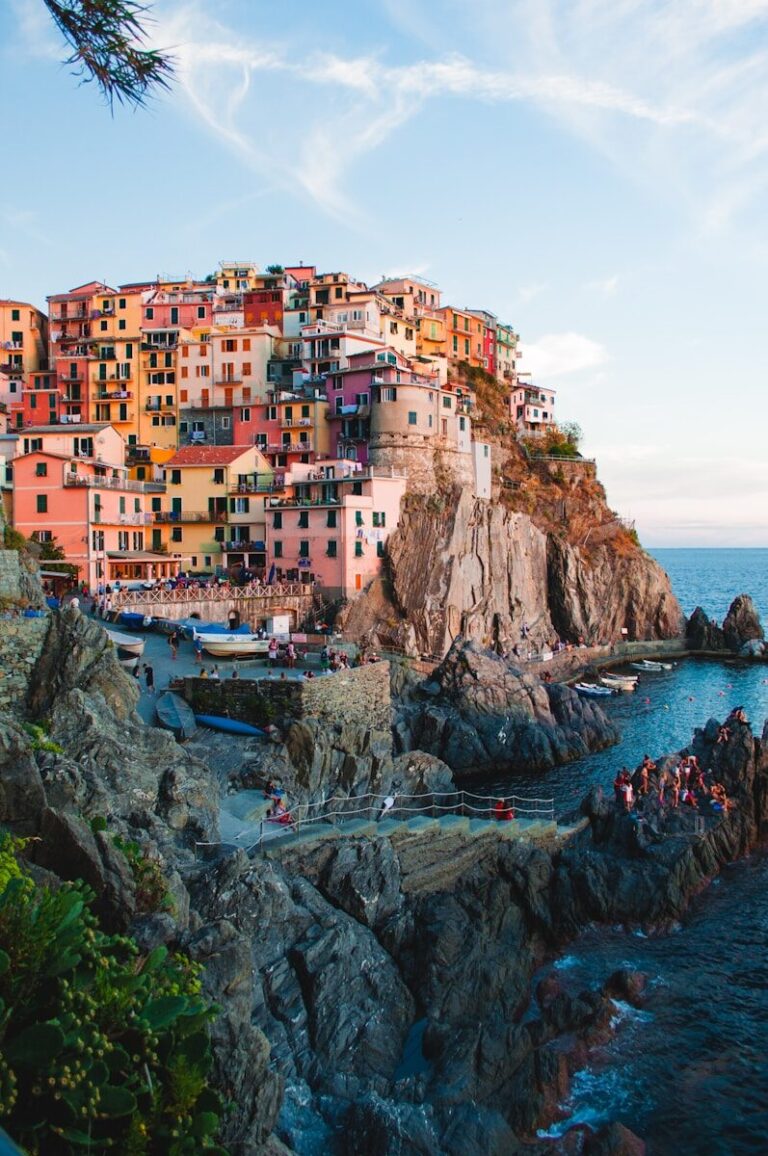
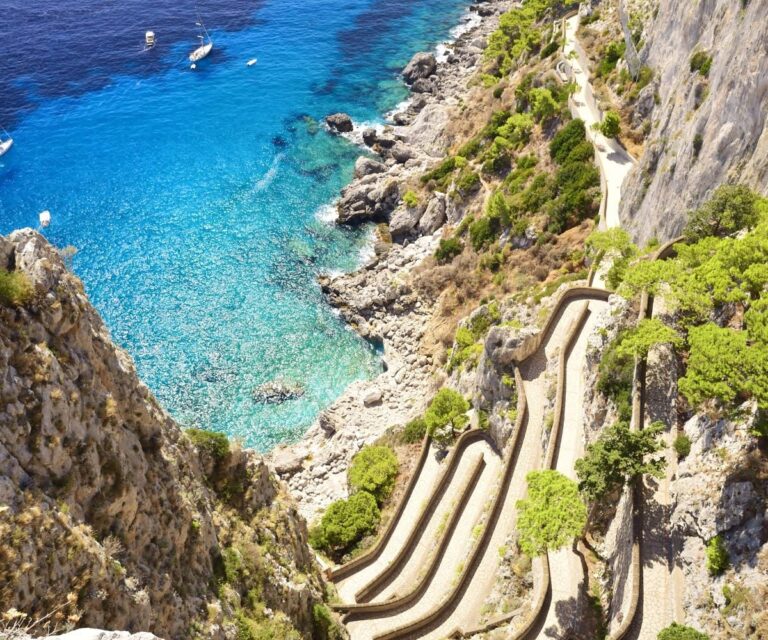
Amalfi for swimming, boats and glamour; Cinque Terre for walking and lower cost. They look alike in photographs and feel nothing alike in person.
What should you book ahead in Italy?
Only what genuinely sells out: the Vatican Museums, the Colosseum’s underground, the Uffizi, and high-speed trains if you want the cheap fare.
About the author
Born and raised in the Middle East, I’ve spent most of my adult life travelling — more than 40 countries so far. I write these guides the way I’d explain them to a friend: real prices, honest opinions, and a straight answer when the cheaper option is the better one. I don’t sell tours or own hotels, which is why I can tell you what the operators won’t.
Every guide
Venice Access Fee 2027: Dates, Price & Who Has to Pay
Read guide →
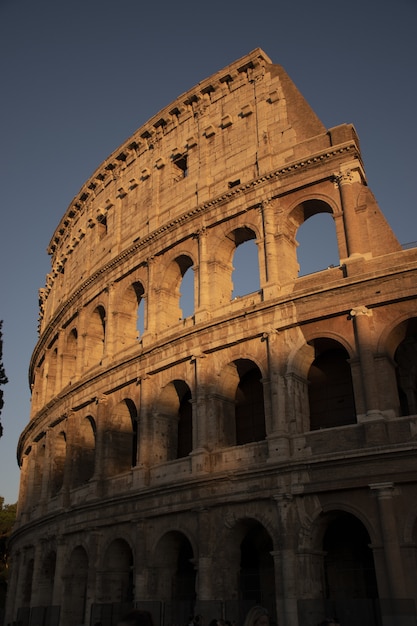 How Many Days Do You Need in Rome?
Read guide →
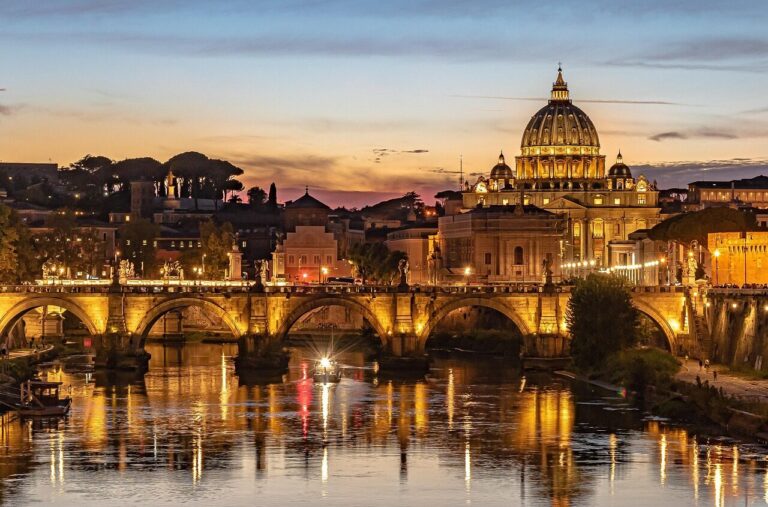 Is Vatican Skip-the-Line Worth It? Yes, and Here’s Why
Read guide →
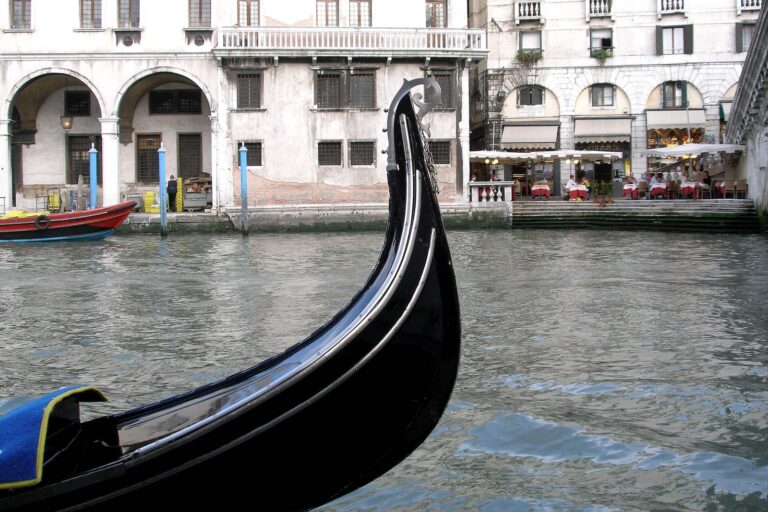 Is a Venice Gondola Ride Worth It? The Honest Answer
Read guide →
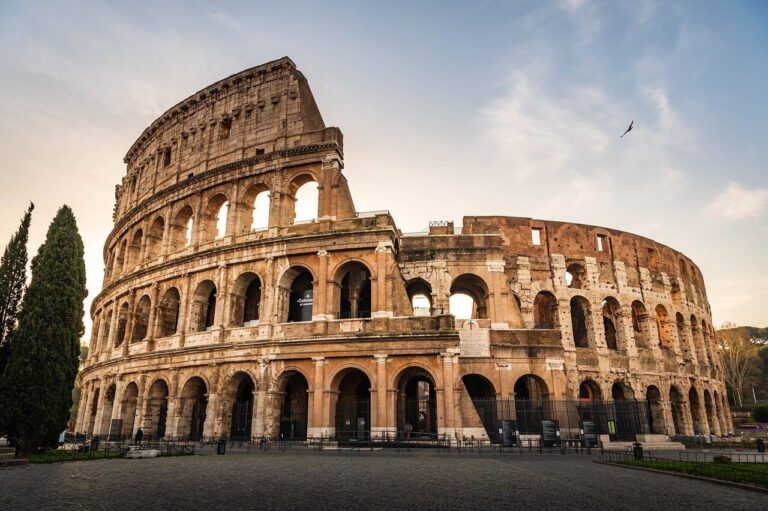 Is the Colosseum Underground Tour Worth the Extra?
Read guide →
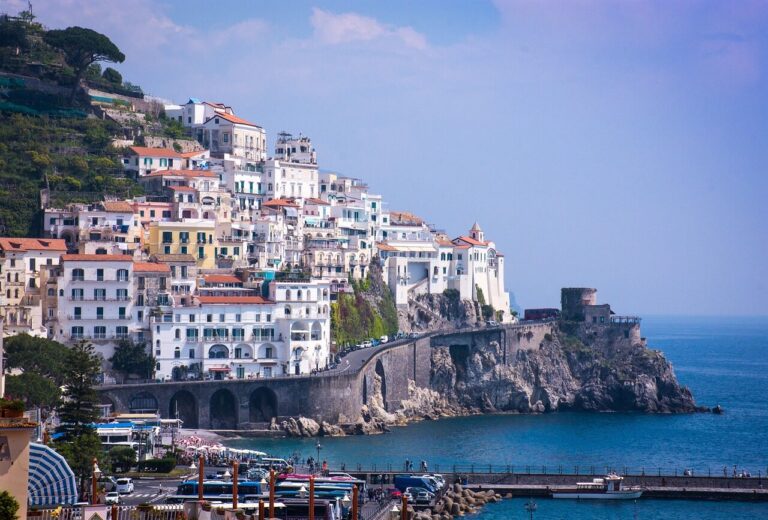 Sailing the Amalfi Coast: What a Charter Actually Costs
Read guide →
Best Time to Visit Italy: Month by Month
Read guide →
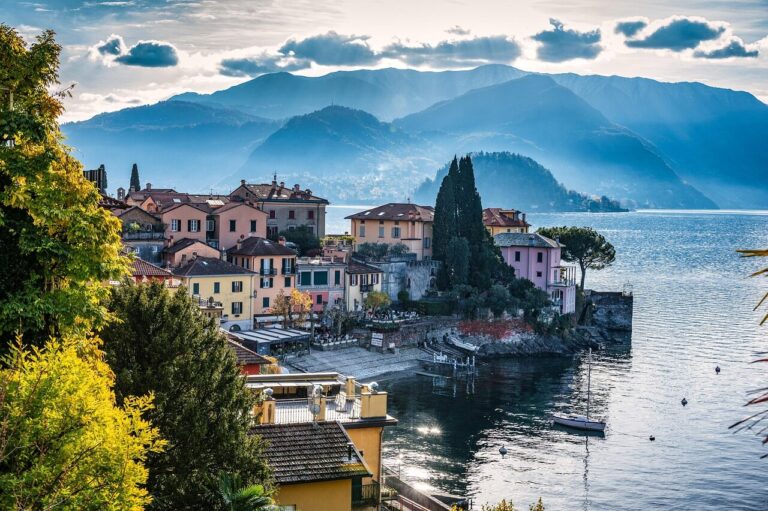 Lake Como vs Lake Garda: Which Suits Your Trip?
Read guide →
Rome in 3 Days: What’s Actually Worth Booking Ahead
Read guide →
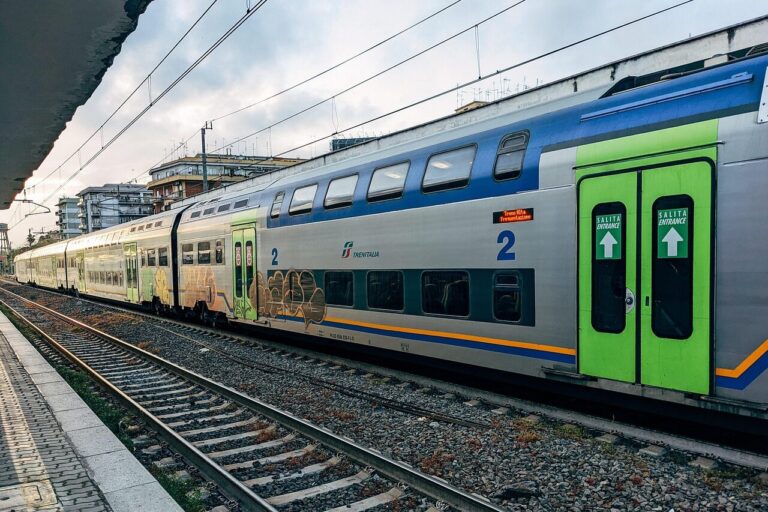 Italy by Train vs Car Rental: When Each Makes Sense
Read guide →
 How Much Does a Week in Italy Cost? Real Numbers
Read guide →
Where to Stay on the Amalfi Coast: Positano, Amalfi or Ravello?
Read guide →
 Amalfi Coast vs Cinque Terre: Which Should You Actually Book?
Read guide →
All Italy guides
13 guides, updated as we publish.
Venice Access Fee 2027: Dates, Price & Who Has to Pay
Read guide →
How Many Days Do You Need in Rome?
Read guide →
Is Vatican Skip-the-Line Worth It? Yes, and Here’s Why
Read guide →
Is a Venice Gondola Ride Worth It? The Honest Answer
Read guide →
Is the Colosseum Underground Tour Worth the Extra?
Read guide →
Sailing the Amalfi Coast: What a Charter Actually Costs
Read guide →
Best Time to Visit Italy: Month by Month
Read guide →
Lake Como vs Lake Garda: Which Suits Your Trip?
Read guide →
Rome in 3 Days: What’s Actually Worth Booking Ahead
Read guide →
Italy by Train vs Car Rental: When Each Makes Sense
Read guide →
How Much Does a Week in Italy Cost? Real Numbers
Read guide →
Where to Stay on the Amalfi Coast: Positano, Amalfi or Ravello?
Read guide →
Amalfi Coast vs Cinque Terre: Which Should You Actually Book?
Read guide →
Plan your trip
Book the parts that sell out first
Some links may earn us a commission at no extra cost to you.