

 Nepal Visa on Arrival 2026: Fees, Process & Extensions
Read guide →
Destination guide
Nepal Travel Guide
The main treks compared, what trekking really costs, and the altitude risk people underestimate.
- Best time
- October–November, then March–May
- Currency
- Nepalese rupee (NPR)
- Language
- Nepali
- Plan for
- 10–18 days with a trek
VTourBook earns a commission when you book through our links, at no extra cost to you. We don’t sell tours or own hotels — which is why these guides tell you when the cheaper option is the better one.
A trekking country with a city attached
Most people come to Nepal to walk, and the country is organised around that. Kathmandu is where you arrive, sort permits and gear, and see some genuinely extraordinary temple architecture — but for most visitors it is the beginning and end of the trip rather than the point of it.
If you do not intend to trek, Nepal still works, but the trip looks different: Kathmandu Valley, Pokhara, and Chitwan for wildlife.
The main treks, honestly compared
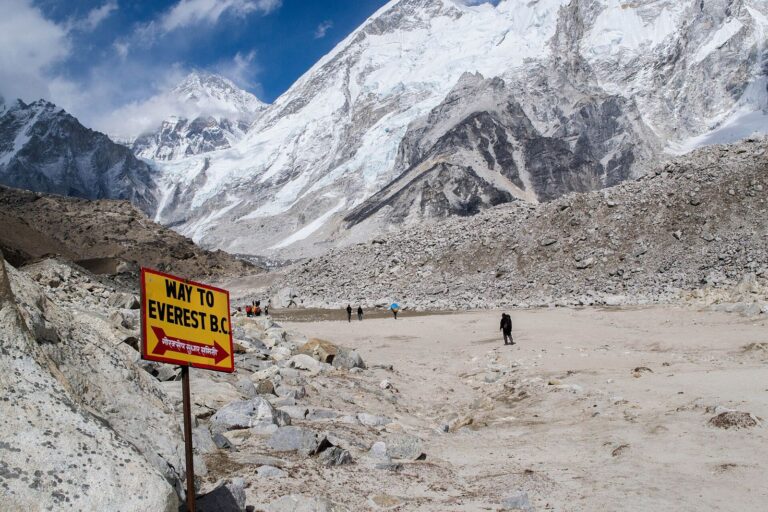
- Everest Base Camp. 12–14 days. The famous one. Reached by a short, weather-dependent flight to Lukla — cancellations are common and you should build in buffer days at both ends. High altitude throughout.
- Annapurna Circuit. 12–18 days, though road building has shortened the classic route. More varied landscape and culture than Everest, and generally considered the better walk.
- Annapurna Base Camp. 7–10 days. The best return on time for most people — high mountain scenery without the full circuit commitment.
- Poon Hill / Ghorepani. 4–5 days. The short option, moderate altitude, and a genuine Himalayan sunrise. Ideal for a first trek or limited time.
- Langtang. 7–10 days. Closer to Kathmandu, quieter, and rebuilt since the 2015 earthquake.
What it costs
Nepal is inexpensive, and trekking is cheaper than people expect because you sleep in teahouses rather than camping.
Independent teahouse trekking runs roughly $30–50 per person per day, covering lodging, meals and tea. Add a guide at $30–40 a day and a porter at $25–30, both of which are worth it — for safety, for local employment, and because the trails are easier to enjoy without a heavy pack.
In Kathmandu and Pokhara, $30–60 a day covers comfortable mid-range accommodation and eating well. Permits for the main regions run roughly $30–60 in total.
Budget separately for the Lukla flight if you are going to Everest — it is a significant extra and prices vary.
Model your trip in our trip cost calculator.
When to go
October and November are the best months — clear skies, stable weather and the finest mountain views. They are also the busiest, and the popular trails are genuinely crowded.
March to May is the second season, warmer, with rhododendrons in bloom and hazier views.
June to September is monsoon: leeches, cloud, landslides and few views. Some rain-shadow regions like Upper Mustang stay walkable.
December to February is cold and clear at lower altitudes, with high passes often closed by snow.
Altitude, which is the real risk
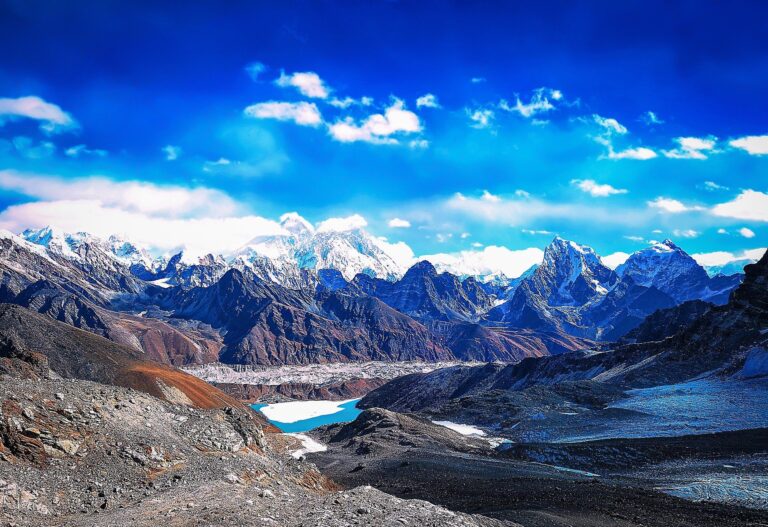
This deserves more attention than it usually gets. Altitude sickness is the main danger on Nepal’s treks, and it is not related to fitness — strong young walkers get it as often as anyone.
The rules that matter: ascend slowly above 3,000m, take acclimatisation days, and descend immediately if symptoms worsen. Headache, nausea, dizziness and breathlessness at rest are warning signs, not things to push through.
Ensure your travel insurance explicitly covers trekking to the altitude you plan to reach and includes helicopter evacuation. Many standard policies do not, and a rescue flight is extremely expensive.
Guides, porters and permits
Regulations on independent trekking have tightened in recent years and now require guides on several routes. Rules change, so confirm the current position for your specific trek before booking anything.
Hiring through a Kathmandu or Pokhara agency is straightforward. Ask directly whether porters are insured and equipped — the reputable operators are clear about it, and it is a reasonable thing to check.
Beyond trekking
Kathmandu Valley holds three separate Durbar Squares plus Boudhanath and Swayambhunath — two or three days well spent. Pokhara is the relaxed lakeside town where treks start and finish, and is pleasant in its own right. Chitwan National Park offers rhino and, with luck, tiger.
Practical notes
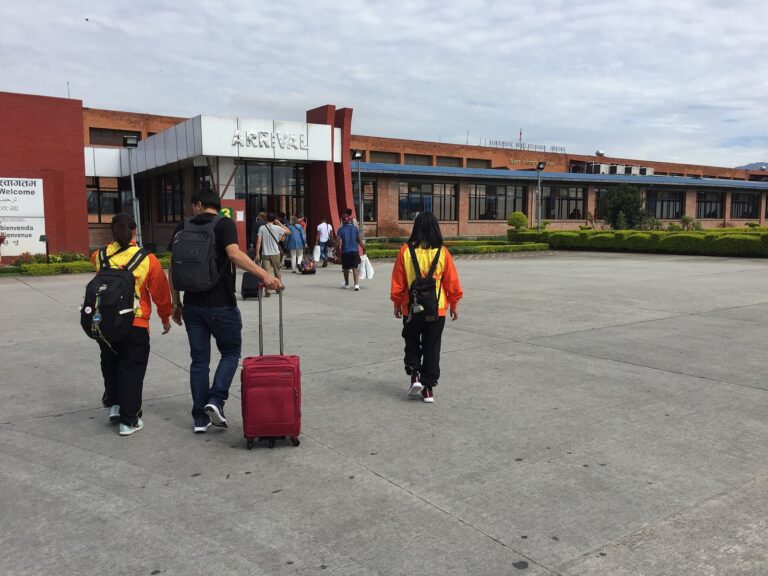
- Visa on arrival is available to most nationalities at Kathmandu airport; bring passport photos and USD cash to speed it up.
- Power cuts are less frequent than they were but still happen. Carry a power bank on trek — teahouses charge for charging.
- Cash. ATMs exist in Kathmandu and Pokhara, and essentially not on the trails. Carry enough rupees for your whole trek.
- Water. Bring purification tablets or a filter rather than buying bottled water on the trail — it is cheaper and avoids leaving plastic in the mountains.
- Domestic flights are weather-dependent. Never schedule an international connection for the same day you fly out of Lukla.
For flights into Kathmandu it is worth checking a spread of dates — compare fares before fixing plans. For Kathmandu and Pokhara accommodation, compare hotel prices, and GetYourGuide covers valley tours and Chitwan safaris.
Frequently asked questions
How much does trekking in Nepal cost?
Independent teahouse trekking runs roughly $30–50 per person per day for lodging, meals and tea. A guide adds $30–40 a day and a porter $25–30. Permits for the main regions total roughly $30–60.
When is the best time to trek in Nepal?
October and November for the clearest skies and best mountain views, though the trails are busy. March to May is the warmer second season with hazier views. The June to September monsoon brings cloud, leeches and landslides.
Which trek is best for beginners?
Poon Hill or Ghorepani at four to five days, with moderate altitude and a genuine Himalayan sunrise. Annapurna Base Camp at seven to ten days is the best return on time for anyone with a bit more available.
Is altitude sickness a real risk in Nepal?
Yes, and it is the main danger on Nepal’s treks. It is unrelated to fitness. Ascend slowly above 3,000m, take acclimatisation days, and descend if symptoms worsen. Make sure your insurance covers your planned altitude and helicopter evacuation.
Do you need a guide to trek in Nepal?
Rules have tightened in recent years and guides are now required on several routes. Requirements change, so confirm the current position for your specific trek before booking.
About the author
Born and raised in the Middle East, I’ve spent most of my adult life travelling — more than 40 countries so far. I write these guides the way I’d explain them to a friend: real prices, honest opinions, and a straight answer about when the cheaper option is the better one.
Every guide
Nepal Visa on Arrival 2026: Fees, Process & Extensions
Read guide →
 Everest Base Camp Permits 2026: Costs & How to Get Them
Read guide →
 Is the Everest Base Camp Trek Worth It? Yes, If You Respect the Altitude
Read guide →
All Nepal guides
3 guides, updated as we publish.
Nepal Visa on Arrival 2026: Fees, Process & Extensions
Read guide →
Everest Base Camp Permits 2026: Costs & How to Get Them
Read guide →
Is the Everest Base Camp Trek Worth It? Yes, If You Respect the Altitude
Read guide →
Plan your trip
Book the parts that sell out first
Some links may earn us a commission at no extra cost to you.