

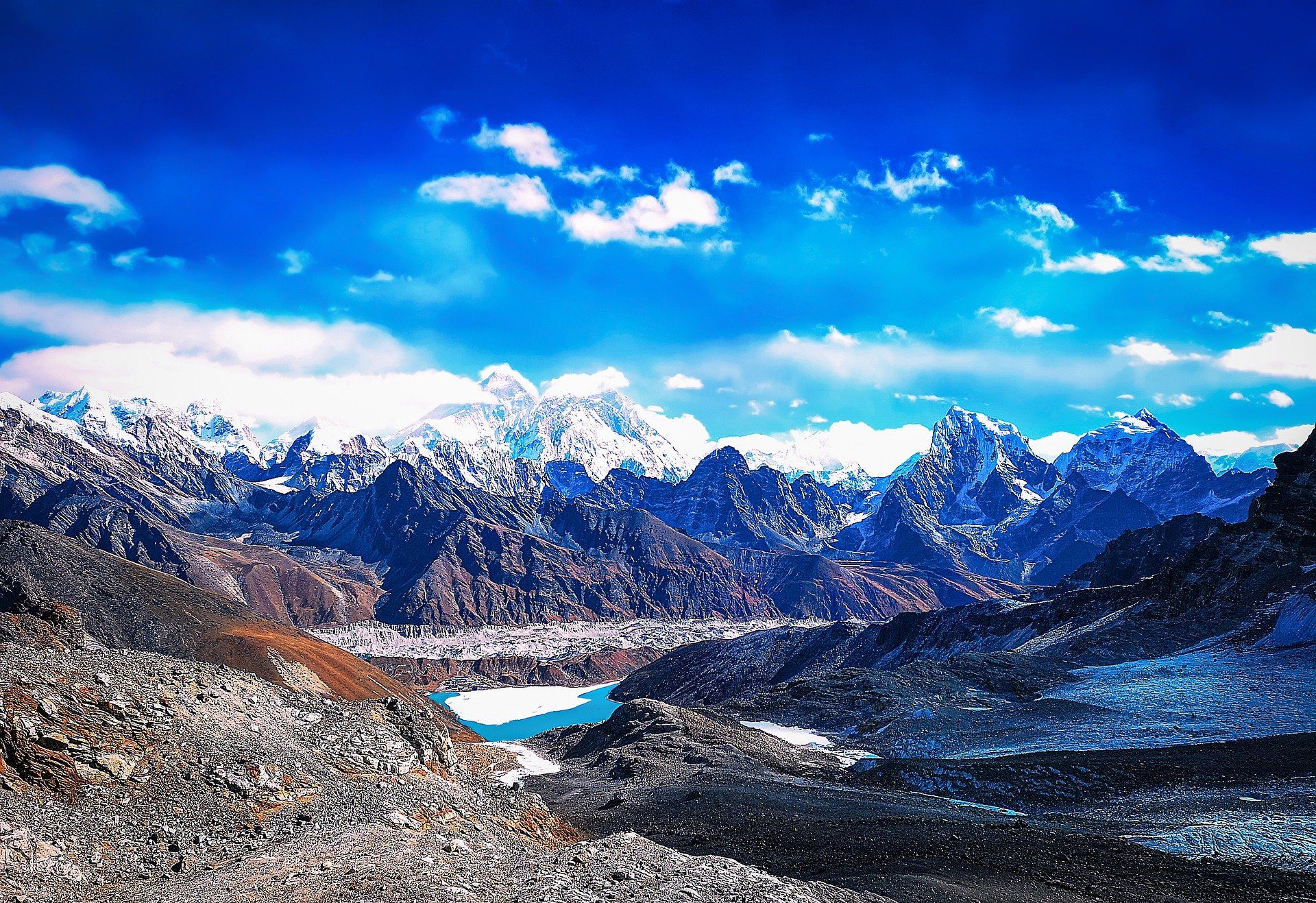
Short answer: yes, for reasonably fit walkers who have about 12–14 days and accept altitude risk. The scenery from Namche Bazaar onwards is among the best on Earth. Base Camp itself is a rocky glacier camp, though. The real highlight is the views from Kala Patthar (about 5,545 m) at sunrise.
Disclosure: some links on this page are affiliate links. If you book through them we may earn a commission at no extra cost to you. Affiliate disclaimer.
Compare guided EBC treks with licensed operators →
What it really costs (per person, estimates)
| Item | Typical range |
|---|---|
| Kathmandu–Lukla flights | USD 254 each way for foreigners under the official fare schedule from 3 Aug 2026 (Ramechhap–Lukla USD 197.09). Peak-season flights often leave from Ramechhap |
| Sagarmatha National Park entry + Khumbu Pasang Lhamu Rural Municipality trek card | NPR 3,000 + NPR 3,000 for most foreigners (the trek card is issued in Lukla or Monjo, not Kathmandu) |
| Teahouse room + meals per day | modest at low altitude, rising steeply the higher you go (food has to be carried up) |
| Licensed guide per day | agree a daily rate with the agency, including the guide’s food and lodging |
| Porter per day | lower than a guide; usually shared between two trekkers |
| Full guided package | varies widely by inclusions. Compare what’s included (flights, permits, lodging, meals, guide insurance) rather than headline prices |
Guided or independent?
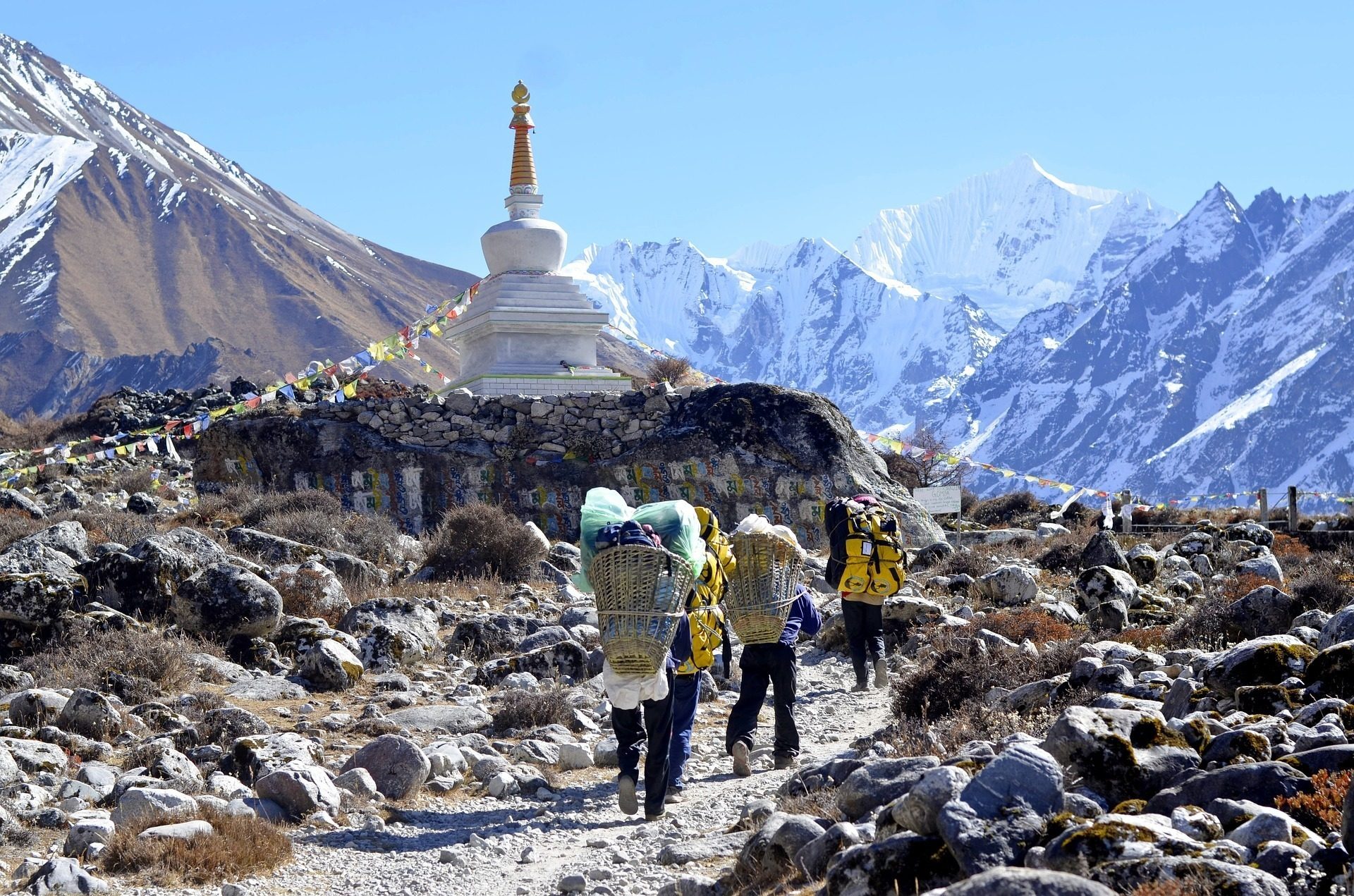
Nepal now requires a licensed guide in most trekking areas, but the Everest/Khumbu region is the notable exception: local authorities there allow independent trekkers with the Khumbu trek card and the Sagarmatha National Park permit (no TIMS card is needed). Rules can change, so check before you travel. Even where it isn’t required, a good guide handles teahouse bookings, watches for altitude symptoms, and copes with Lukla delays. For first-timers, that’s usually worth the cost.
The two real risks
- Altitude sickness. Follow a schedule with acclimatisation days in Namche and Dingboche. Don’t sleep more than about 300–500 m higher each night above 3,000 m. Descend if symptoms worsen. Speak to a doctor about medication before you go.
- Lukla flight delays. Weather often grounds flights. Build in 2 buffer days before your international flight home.
Insurance is non-negotiable. Buy a policy that explicitly covers trekking to at least 5,600 m and helicopter evacuation. Many standard travel policies stop at much lower altitudes. Read the altitude clause before you buy, and carry the policy number and emergency phone number with you.
Best months
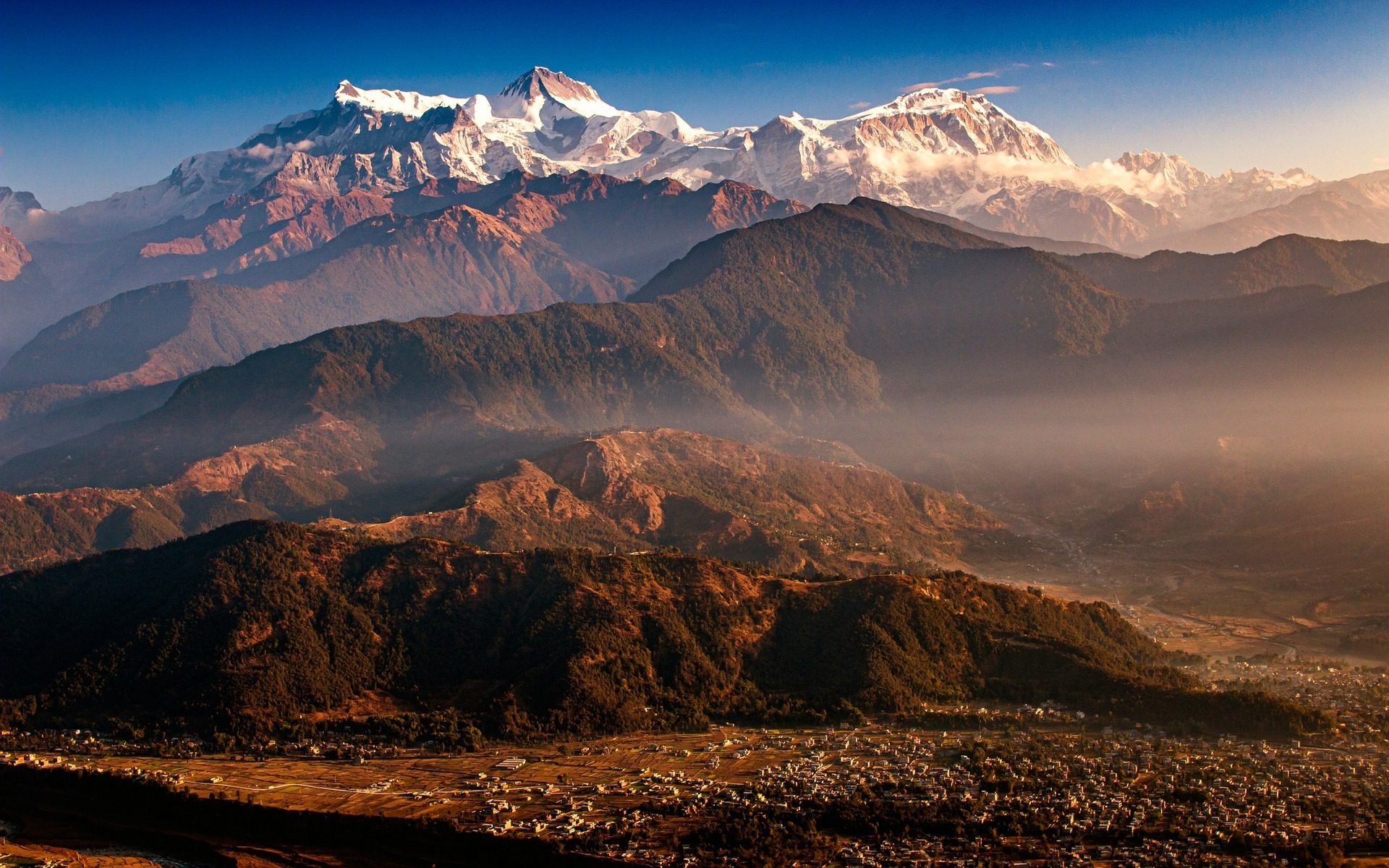
Late September–November (clearest skies) and March–May (rhododendrons, Everest climbing season). Monsoon (June–August) brings cloud and cancelled flights.
Easier alternatives
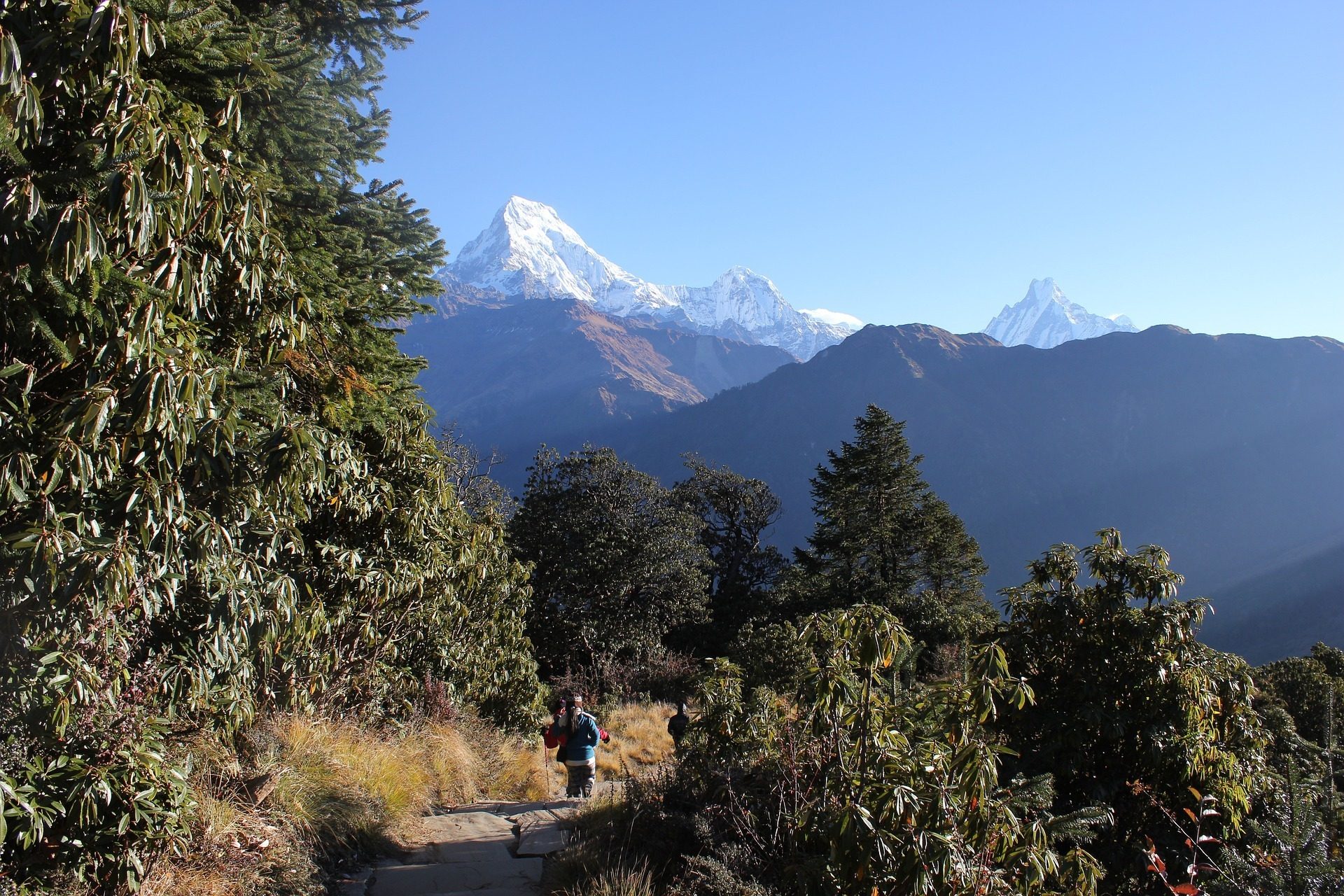
- Poon Hill (4–5 days): Annapurna views with low altitude risk.
- Everest View Trek (about 7 days): Namche and Tengboche without going above 4,000 m.
- Annapurna Base Camp (7–10 days): a dramatic amphitheatre at 4,130 m.
Before and after the trek
Compare hotels in Thamel, Kathmandu →
Arriving at Kathmandu airport: prepaid taxi counters in the arrivals hall charge a fixed fare to Thamel, and many Thamel hotels offer free or cheap pickup if you send them your flight number.
Full planning help is in our Nepal travel guide. Browse more bookable experiences on our tours page.
A typical 12-day itinerary
- Fly Kathmandu → Lukla (2,860 m), then walk to Phakding.
- Walk to Namche Bazaar (3,440 m).
- Acclimatisation day: hike to the Everest View Hotel.
- Walk to Tengboche (3,860 m), with its monastery and views of Ama Dablam.
- Walk to Dingboche (4,410 m).
- Acclimatisation day: hike up Nangkartshang.
- Walk to Lobuche (4,940 m).
- Gorak Shep (5,164 m), then Everest Base Camp, and back to Gorak Shep.
- Kala Patthar at sunrise, then descend to Pheriche.
- Walk to Namche.
- Walk to Lukla.
- Fly to Kathmandu. Then keep 2 buffer days for weather.
What to pack (the short list)
A sleeping bag rated to about -10°C (you can rent one in Thamel), a down jacket, broken-in boots, trekking poles, a water purifier or tablets, sunscreen and glacier sunglasses, a headlamp, and cash in Nepali rupees. ATMs above Namche are unreliable. Teahouses charge extra for hot showers, Wi-Fi and device charging, and the cost rises with altitude.
Fitness: how hard is it really?
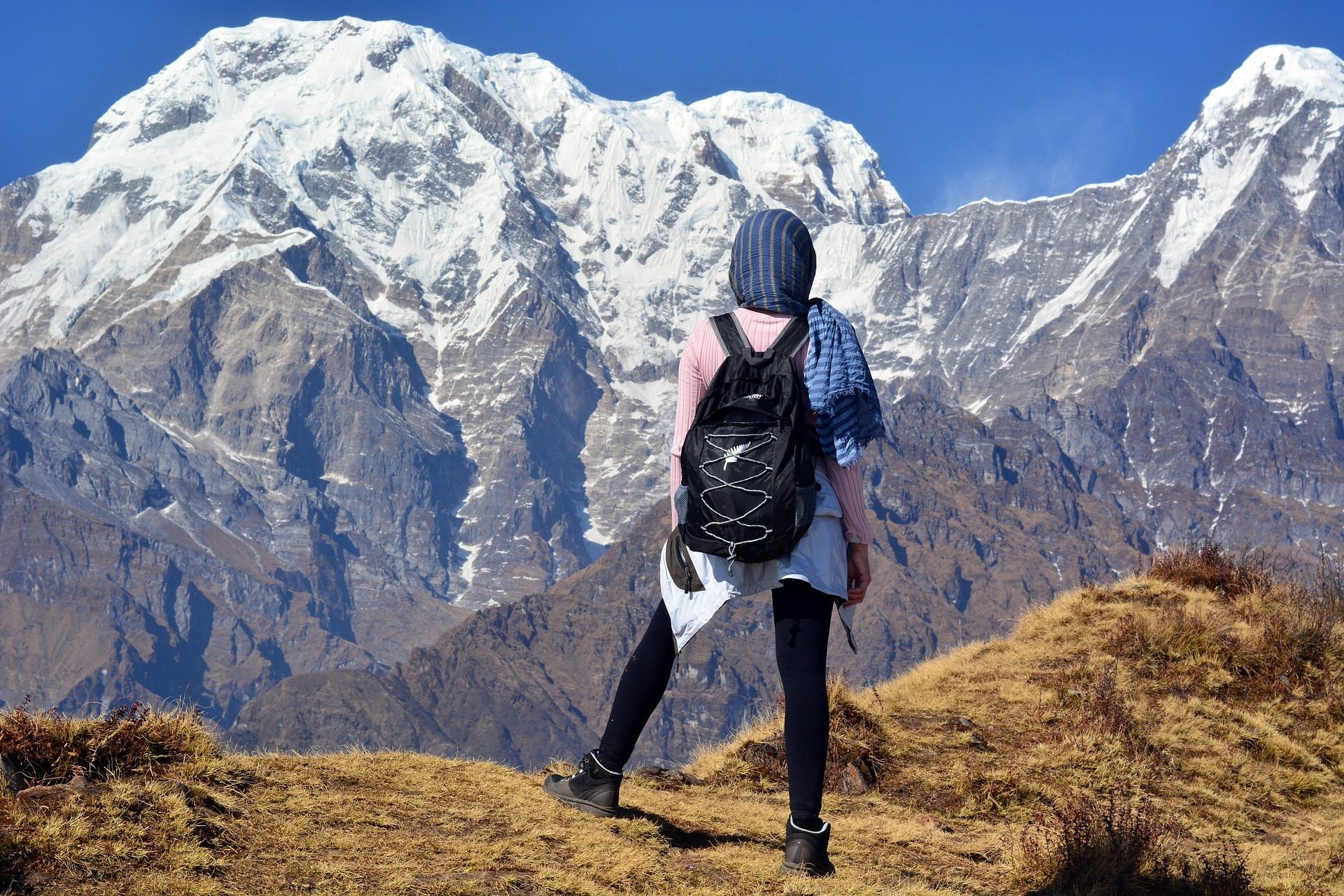
No technical climbing is involved. It’s long, steady walking of about 5–7 hours a day. The difficulty is the altitude, not the distance. If you can comfortably hike 15 km with some climbing on consecutive days at home, you’re broadly fit enough. Train with stair climbing and weighted day hikes for 6–8 weeks.
Helicopter return: worth it?
Some trekkers walk in and fly out by helicopter from Gorak Shep or Lobuche. It saves 2–3 days but costs far more than walking. Shared seats are cheaper than chartering, so ask agencies for current prices. It makes sense if you have little time; otherwise walking down is part of the experience.
Compare EBC trek + helicopter return packages →
FAQ
Is the Everest Base Camp trek worth it? For fit walkers with about two weeks and a respect for altitude, yes. The mountain scenery and Sherpa villages are world-class.
How much does the EBC trek cost? Budget for return Lukla flights (USD 254 each way for foreigners on the 2026 official fare schedule), two permits (NPR 3,000 each), teahouse lodging and meals, and a guide or porter if you hire one. Guided package prices vary widely by inclusions.
Do I need a guide for Everest Base Camp? The Khumbu region currently allows independent trekkers with the local trek card and the national park permit, unlike most other areas of Nepal. Check the rules before you go. A guide is still recommended for first-timers.
When is the best time to trek to Everest Base Camp? Late September to November and March to May.

Comments are closed