

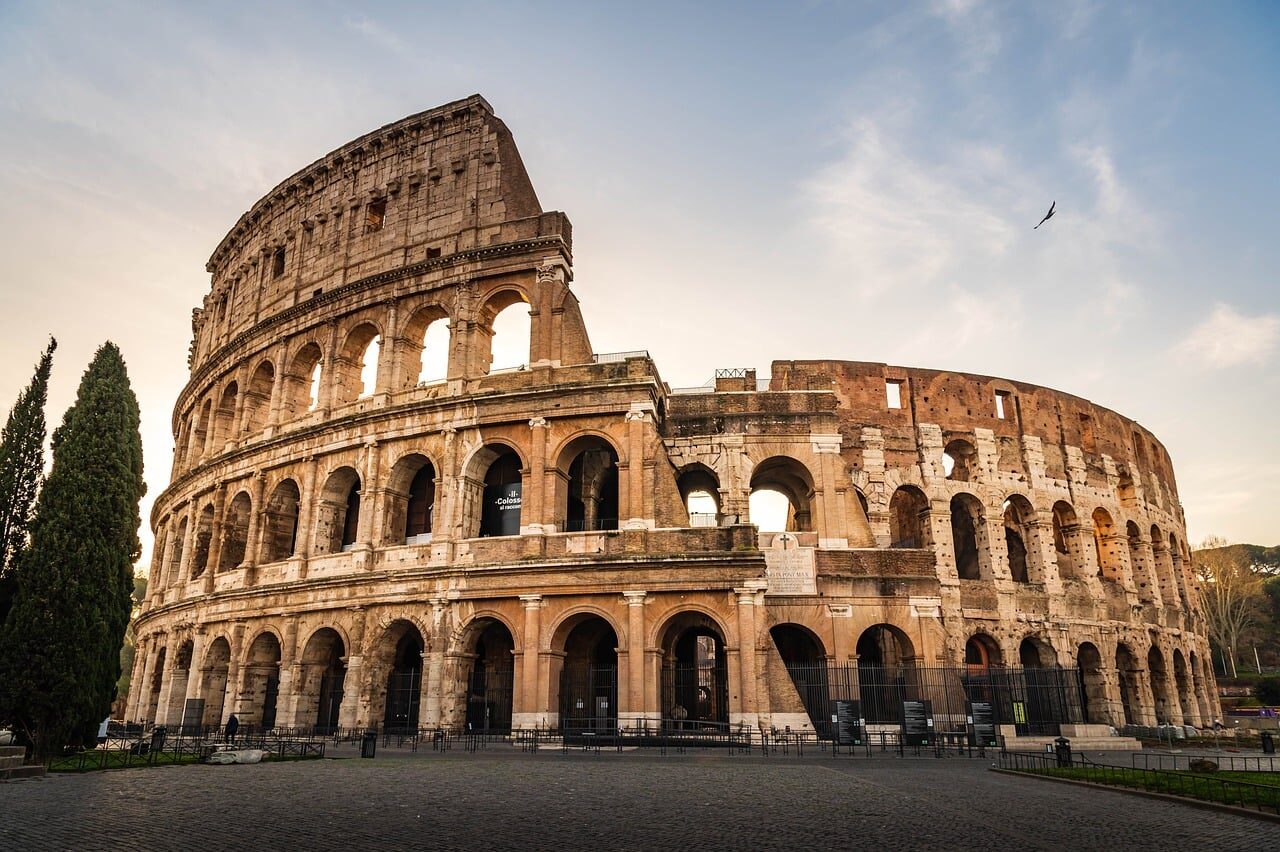
Italy has two genuinely excellent windows, one difficult month, and a winter that is better than its reputation. Here is the year, honestly.
The short answer
May, June, September and early October are the best months for most trips — warm enough for the coast, bearable in the cities, and meaningfully cheaper and quieter than midsummer. If you have a free choice, take late September.
Month by month
January–February. Cold, short days, some rain. The cheapest months, with the shortest queues at major sites. Excellent for Rome, Florence and Venice if you dislike crowds and do not mind coats. Venice Carnival in February pushes prices up sharply for about two weeks.
March. Unreliable weather, still quiet, still cheap. Fine for cities, too early for the coast or lakes.
April. Improving and pretty, with a real risk of rain. Easter is the exception — Rome fills up completely and prices spike for the week. Avoid Easter in Rome unless that is specifically why you are going.
May. One of the two best months. Warm, green, everything open, sea just about swimmable by the end. Prices are moderate. Highly recommended.
June. Excellent, particularly the first half. Hot but not oppressive, long days, coast in full swing. Prices climb through the month.
July. Hot, busy and expensive. Cities are uncomfortable in the afternoon; the coast and lakes are at their peak and their most crowded. Workable if you plan around the heat.
August. The month to avoid if you have a choice. Hottest, most crowded, most expensive, and many family-run restaurants and shops close for two or three weeks because Italians take their own holidays. If you must travel in August, go to the lakes, the Dolomites or the mountains rather than Rome or Florence.
September. The best month of the year. Sea still warm, cities comfortable, crowds thinning after the first week, prices falling. If you can only travel once, come now.
October. Lovely in the first half, particularly in Tuscany during harvest. Coastal towns start closing from mid-month and the Amalfi Coast is largely shut by early November.
November. Wet, quiet and cheap. Poor for the coast, genuinely good for city museums.
December. Cold but atmospheric, with Christmas markets in the north. Prices jump for the fortnight around Christmas and New Year, then collapse in January.
What the season does to your budget
The same trip in August typically costs 25–40% more than in May or late September, and the experience is worse. Shifting dates by three weeks is the single most effective saving available on an Italy trip — more than changing hotels, and far more than economising on food.
See what a week in Italy costs for figures you can plan against.
Region by season
- Rome, Florence, Venice: April–June and September–October. Winter is a legitimate, cheap alternative.
- Amalfi Coast: late May to early October. Much outside that is closed.
- Lakes: May–September, best in June and September.
- Tuscany countryside: May–June and September–October, with harvest in late September and October.
- Sicily and Puglia: April–June and September–October. July and August are extremely hot.
- Dolomites: June–September for hiking, December–March for skiing.
Two dates to actively avoid
Ferragosto, 15 August. The national holiday. Italians travel en masse, coastal towns are full and much of the city infrastructure shuts.
Easter week in Rome. Extraordinary if you are there for the religious calendar; miserable if you are not.
For where to base yourself once you have your dates, see where to stay on the Amalfi Coast and our Italy travel guide. Advance tickets for the major sites are worth booking regardless of season — GetYourGuide covers most of them.
VTourBook earns a commission when you book through our links, at no extra cost to you. We don’t sell tours or own hotels — which is why these guides tell you when the cheaper option is the better one.
Compare accommodation in Italy




Prices for the same room or ticket often differ between these. Some links may earn us a commission at no extra cost to you.
Frequently asked questions
What is the best month to visit Italy?
September, narrowly. The sea is still warm, cities are comfortable, crowds thin after the first week and prices fall. May is the close second.
What is the worst time to visit Italy?
August. It is the hottest, most crowded and most expensive month, and many family-run restaurants and shops close for two to three weeks while Italians take their own holidays. Ferragosto on 15 August is the peak of it.
Is Italy good in winter?
For cities, yes. Rome, Florence and Venice in January and February are cheap, quiet and have short queues at major sites. It is cold and can rain, and the coast is closed, but for museums and architecture it is an underrated season.
When is the Amalfi Coast open?
Roughly late May to early October. Many hotels, restaurants and ferry routes close outside that window, and by early November much of the coast has shut for winter.
How much cheaper is Italy outside peak season?
The same trip in May or late September typically costs 25–40% less than in August, with better weather in the cities and far fewer crowds. Shifting your dates is the most effective saving available.
About the author
Born and raised in the Middle East, I’ve spent most of my adult life travelling — more than 40 countries so far. I write these guides the way I’d explain them to a friend: real prices, honest opinions, and a straight answer about when the cheaper option is the better one.


Comments are closed